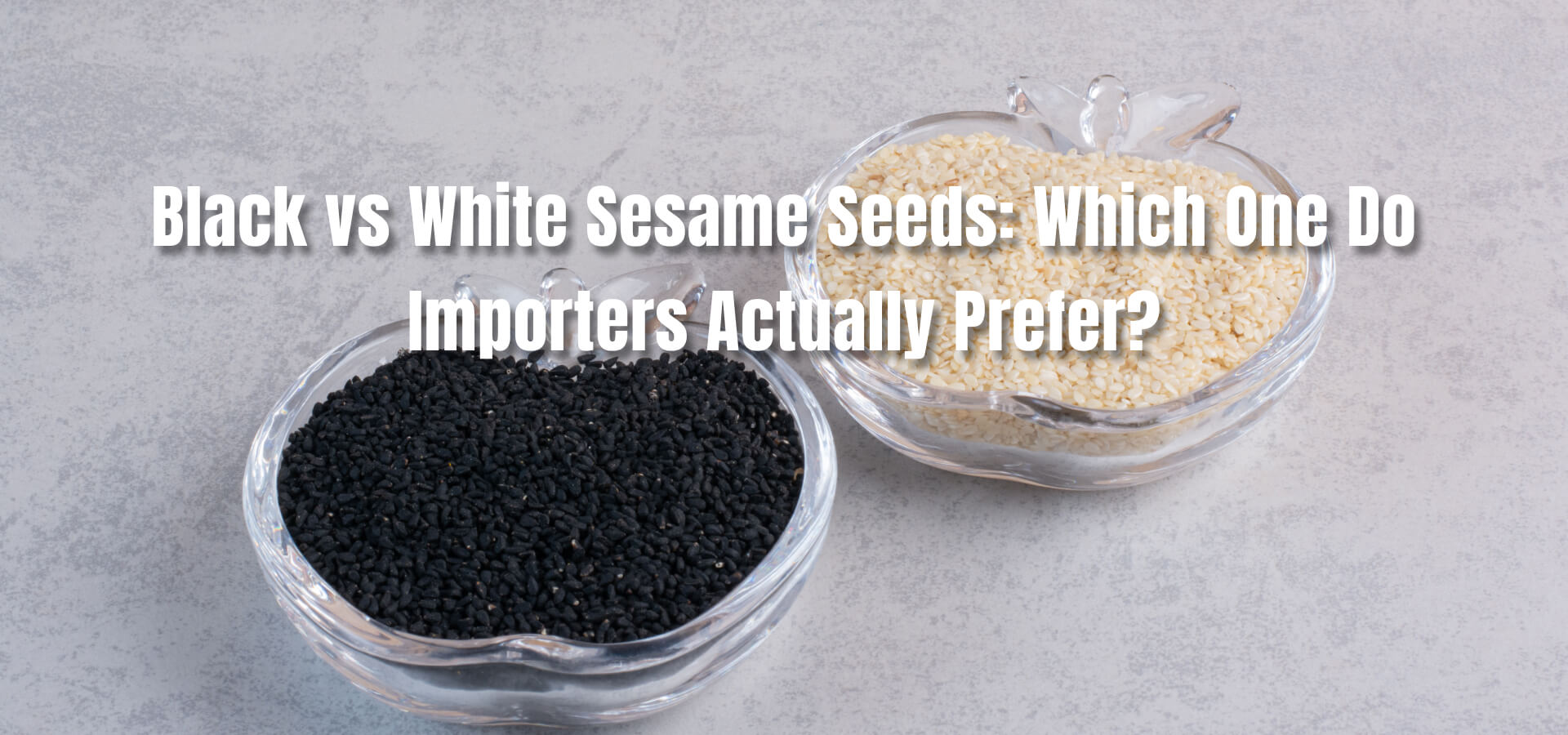
Black vs white sesame seeds is not just a color-based choice for importers. This decision directly affects product quality, end-use application, pricing stability, and buyer acceptance in international markets. Whether you are sourcing for the USA, Europe, or the Gulf region, understanding the difference between black vs white sesame seeds helps reduce supply risks and build long-term trust with buyers.
A buyer in Dubai once rejected a full container of sesame seeds.
Not because of quality.
Not because of price.
Because the color did not match the end-use market.
That mistake cost the exporter six weeks, storage fees, and a strained relationship.
If you import sesame seeds from India, this decision matters more than most suppliers admit.
Black or white.
Looks simple.
It is not.
Let’s break it down. Clearly. Honestly. Buyer-first.
Why Sesame Seed Selection Is a High-Stakes Decision for Importers
Sesame seed demand is rising across the USA, Gulf, Europe, and Southeast Asia. Bakery chains. Tahini manufacturers. Health food brands.
But here is the problem.
Many suppliers sell availability, not application.
Importers do not buy sesame seeds.
They buy consistency, compliance, and market fit.
Choosing the wrong sesame seed type leads to:
- Product rejection
- Processing inefficiencies
- Brand inconsistency
- Regulatory issues in the USA and EU
So let’s answer the real question.
Black vs White Sesame Seeds: What Is the Actual Difference?
At a glance, the difference is color.
In reality, the difference is function.
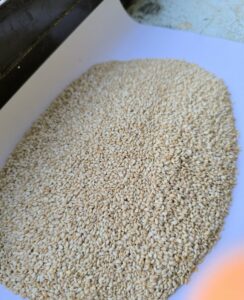
White Sesame Seeds
White sesame seeds dominate global trade.
Why?
- Mild flavor
- Uniform appearance
- Higher oil yield
- Easier cleaning and hulling
- Broad food applications
Used mainly for:
- Bakery toppings
- Burger buns
- Tahini production
- Sesame oil
- Snack coatings
White sesame seeds are the default choice for bulk buyers. For bulk sesame seed sourcing from India, explore our complete sesame seeds export range.
For complete specifications and export details, see our white sesame seeds export page with packaging and pricing information.
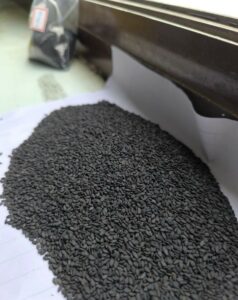
Black Sesame Seeds
Black sesame seeds are niche, but powerful.
They are preferred for:
- Health foods
- Traditional medicines
- Premium Asian products
- Specialty snacks
- Ethnic cuisines
They have:
- Stronger flavor
- Higher antioxidant perception
- Lower global availability
- Higher price volatility
Black sesame seeds are not rare.
They are selective.
Which Sesame Seeds Do Importers Actually Prefer?
Short answer.
White sesame seeds.
Long answer.
It depends on the market and end use.
Why White Sesame Seeds Win in Bulk Imports
Most importers prioritize:
- Volume consistency
- Predictable pricing
- Processing flexibility
- Regulatory compliance
White sesame seeds deliver all four.
In the USA and Europe, white sesame seeds dominate because:
- They meet FDA and EU food safety norms more easily
- They suit mass food manufacturing
- They offer stable color and size grading
- They reduce cleaning and sorting costs
If you supply food processors, bakeries, or FMCG brands, white sesame seeds are the safest bet.
When Importers Choose Black Sesame Seeds Instead
Black sesame seeds shine in specific scenarios.
Importers prefer black sesame seeds when:
- Targeting health-focused consumers
- Serving East Asian markets
- Producing premium or traditional foods
- Differentiation is more important than price
In Japan, Korea, and parts of Southeast Asia, black sesame seeds are not optional.
They are expected.
But here is the catch.
Black sesame seeds require:
- Tighter quality control
- Better cleaning
- Strong traceability
- Clear moisture and purity specs
Not every exporter can deliver that consistently.
Price Comparison: Black vs White Sesame Seeds
Let’s talk numbers. Real ones.
White Sesame Seed Pricing
- More stable year-round
- Larger production base in India and Africa
- Easier to hedge contracts
- Lower rejection risk
This makes white sesame seeds ideal for long-term supply contracts.
Black Sesame Seed Pricing
- Higher per-metric-ton cost
- More seasonal fluctuation
- Smaller farming base
- Higher sorting costs
Black sesame seeds are profitable.
But only if you understand the buyer’s market.
Scientific research shows that both varieties offer significant health benefits, with black sesame having higher antioxidant content.
Quality Parameters Importers Care About Most
Color is not enough.
Smart importers evaluate sesame seeds on:
- Purity percentage
- Moisture content
- Oil content
- FFA levels
- Salmonella control
- Cleaning and sorting method
- Packaging integrity
This is where many exporters fail.
They sell black or white sesame seeds.
But they do not sell confidence.
USA, Gulf, and Europe: Market Preference Breakdown
USA Market
- Strong preference for white sesame seeds
- Strict food safety compliance
- Zero tolerance for contamination
- Traceability is mandatory
The FDA has strict requirements for sesame labeling and allergen declarations, making compliance documentation essential for US imports.
Gulf Market
- Both black and white sesame seeds are used
- White dominates bakery and food service
- Black used in ethnic and specialty products
Europe
- White sesame seeds preferred
- Strong allergen regulations
- Documentation is non-negotiable
Understanding geography is not optional.
It is the difference between repeat orders and silence.
How to Choose the Right Sesame Seeds for Your Business
Ask yourself these questions before placing the order.
- What is the final application?
- Who is the end consumer?
- What certifications are required?
- What level of consistency does my buyer expect?
- Can my supplier deliver the same quality every shipment?
If your supplier cannot answer these clearly, that is your sign.
The Exporter’s Role: Guide, Not Seller
The best exporters do not push products.
They ask questions.
They explain trade-offs.
They protect the importer’s brand.
That is how partnerships are built.
Ready to source premium sesame seeds? Browse our complete oil seeds catalog including groundnuts, flax, and other export-quality products.
Final Answer: Black or White Sesame Seeds?
Here it is.
- Choose white sesame seeds for volume, consistency, and mass-market food production.
- Choose black sesame seeds for niche markets, premium positioning, and health-focused products.
The wrong choice costs money.
The right choice builds trust.